Against All Odds and Algorithms:
a love letter to independent cinema
This is my love letter to cinema—and more specifically, independent cinema. I love it because it stubbornly refuses to treat a film like a product on a shelf or a line on a financial spreadsheet. It treats film as an unfiltered human pulse. It's the raw, honest, and beautifully messy truth of our lives up on the screen, and as long as I am curating, programming, and breathing, I never want to stop looking for it.


The reality is, there exists, within US-American public discourse, a relatively narrow and informal but strongly enforced boundary defining what counts as legitimate speech. Once you cross it, you will stop being treated as someone pointing out a problem and will instead be treated as the root of the problem itself.
The Speech That Shook Hollywood:
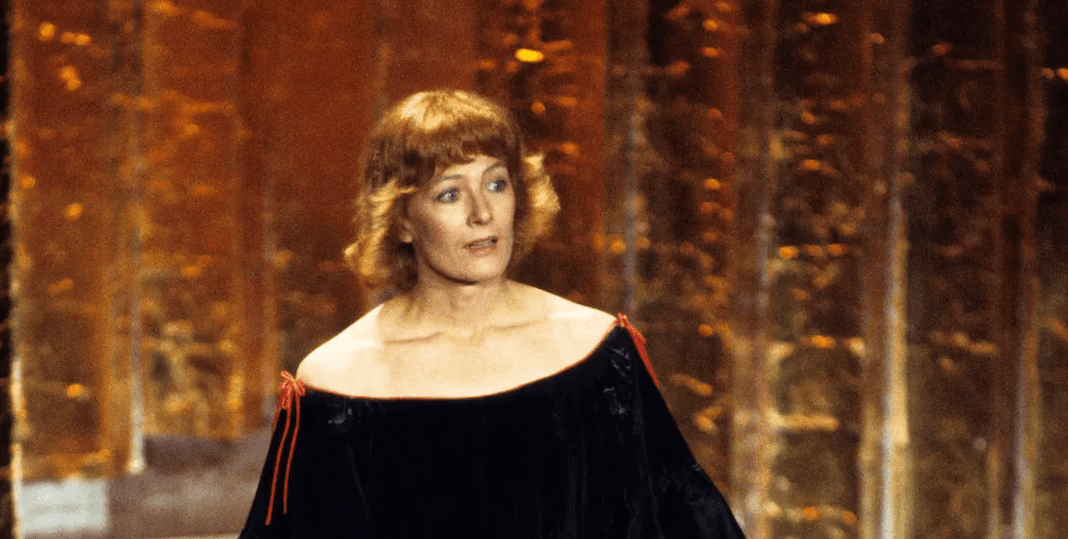
Vanessa Redgrave and the 1978 Oscar Scandal

Are We Also Olive Trees in Exile? A Conversation with Filmmaker Abdallah Dannaoui
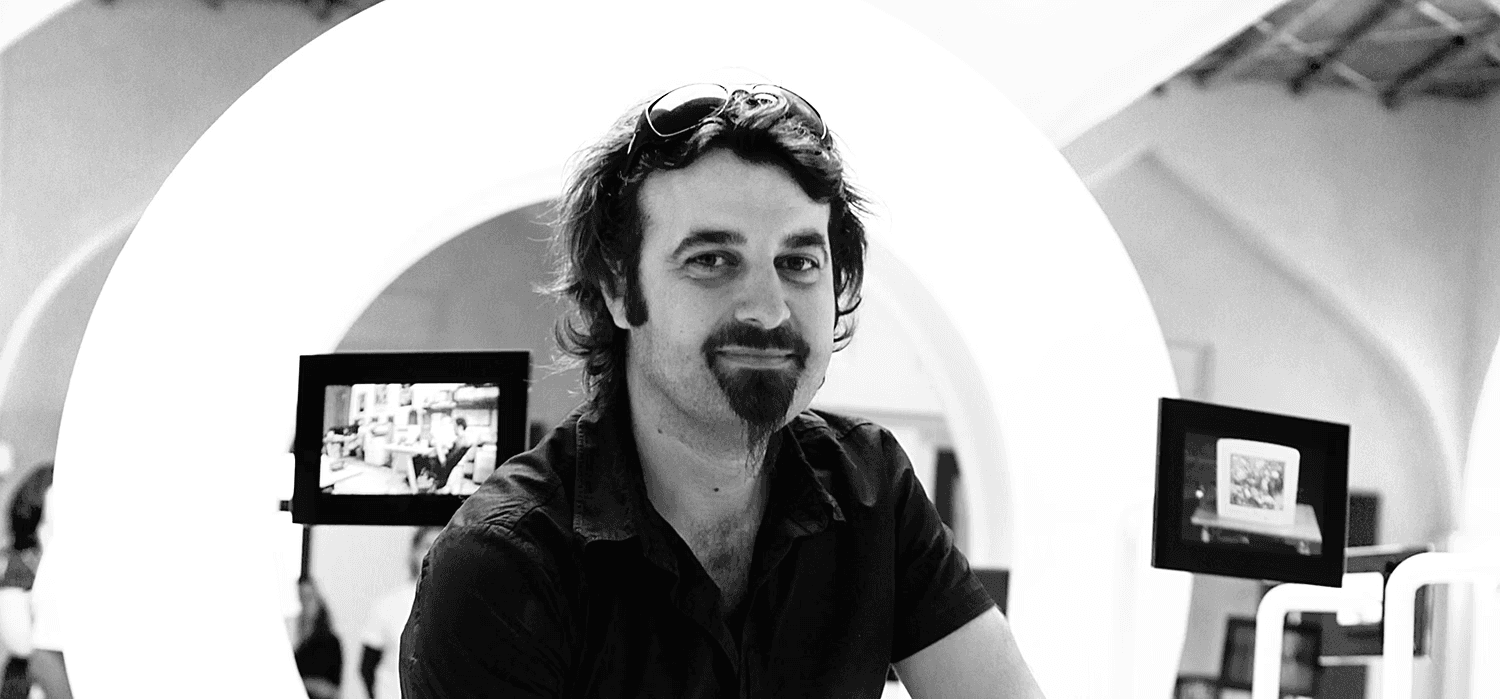
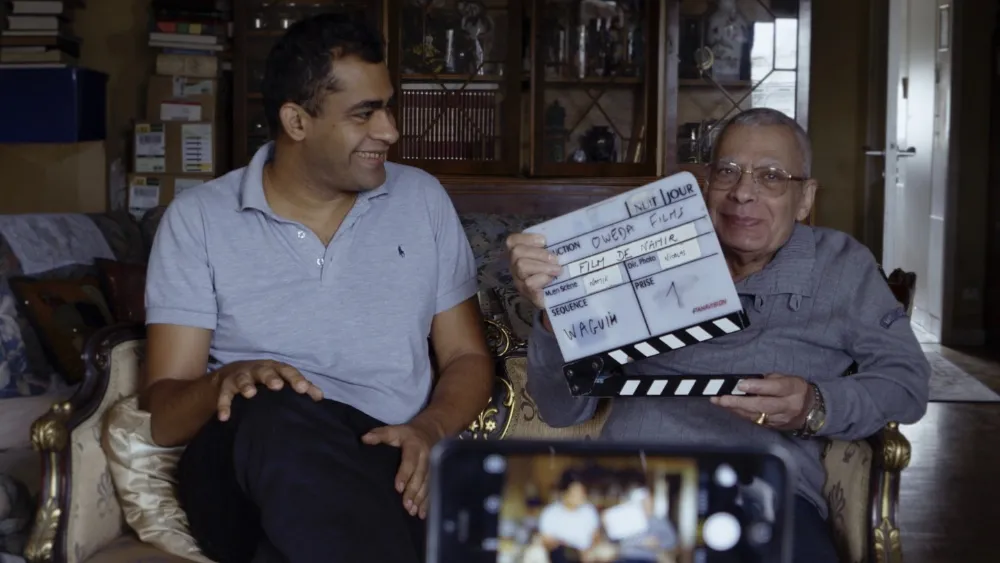
How do you capture the grief of exile when news cameras only focus on war? In Bitter Greens, Tangled Roots, director Abdallah Dannaoui uses intimate WhatsApp calls and quiet landscapes to explore memory, displacement, and what it means to stay rooted far from home.
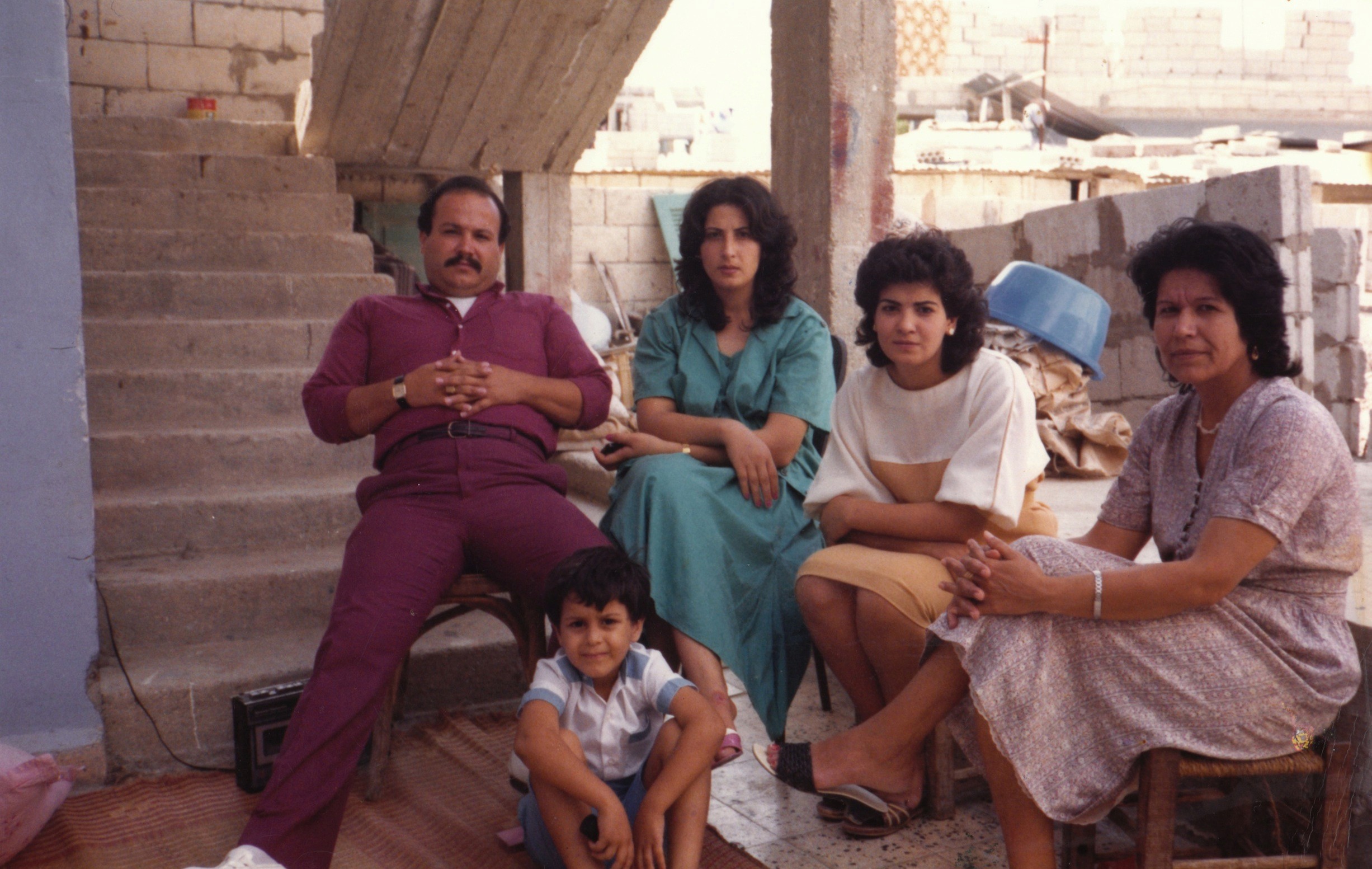
Exile Cinema: Recovering the Homeland or Reinventing It?
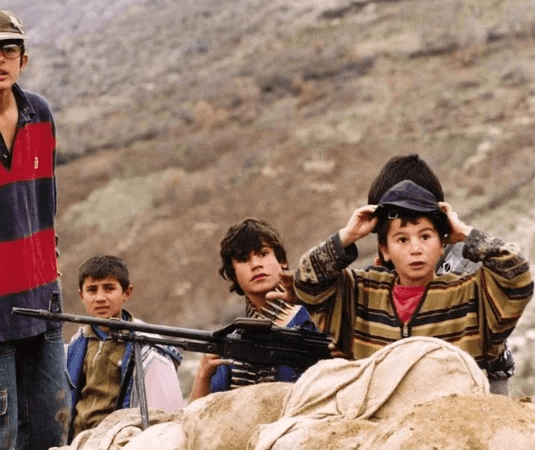
Homeland, when seen from within, differs radically from the homeland reconstructed from the outside and even more so when it is lost, destroyed, or deferred in memory.
Magnetic Pursuit of Feeling: A conversation with cinematographer Frida Marzouk
"I realize that the movies I’ve done are usually about a cause, an issue, racism, or a conflict but somehow, it’s not on purpose. Of course, if I can help, I want to help, but it’s more [that I am drawn to that project] because the person that’s telling it has it as a personal story."

all that is left of you: A Film About Humanity as a Means of Survival
“I am the sea, in whose depths pearls lie hidden—
Did they ever ask the diver about my shells?”
— Hafez Ibrahim
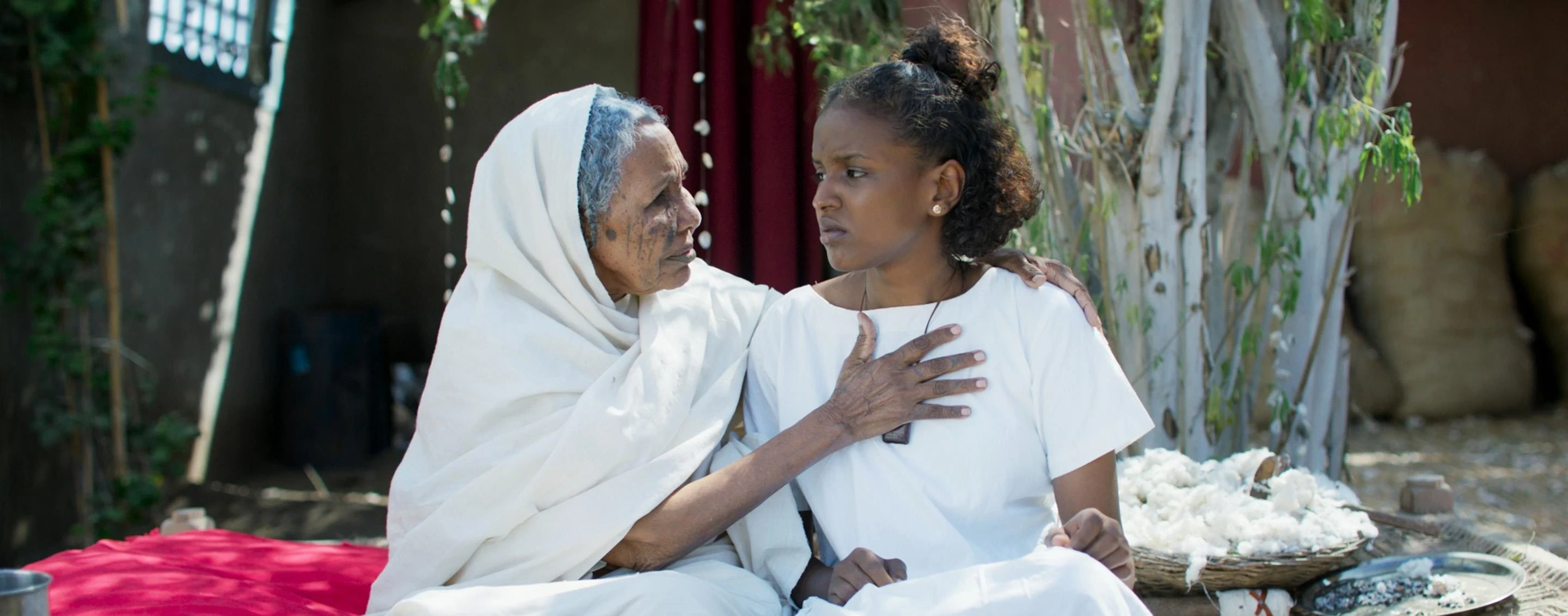
cotton queen: The Past Is A Story We Tell Ourselves
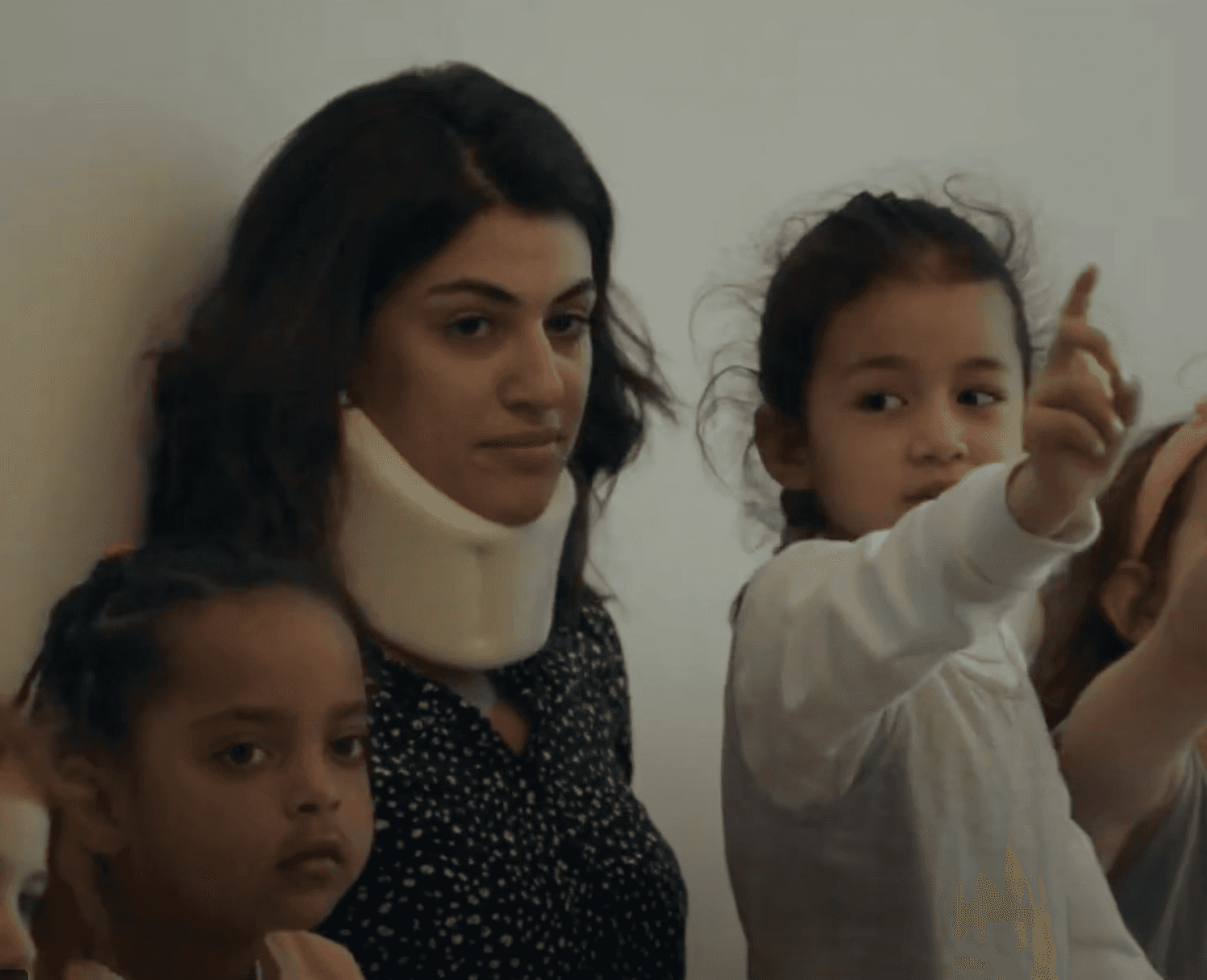
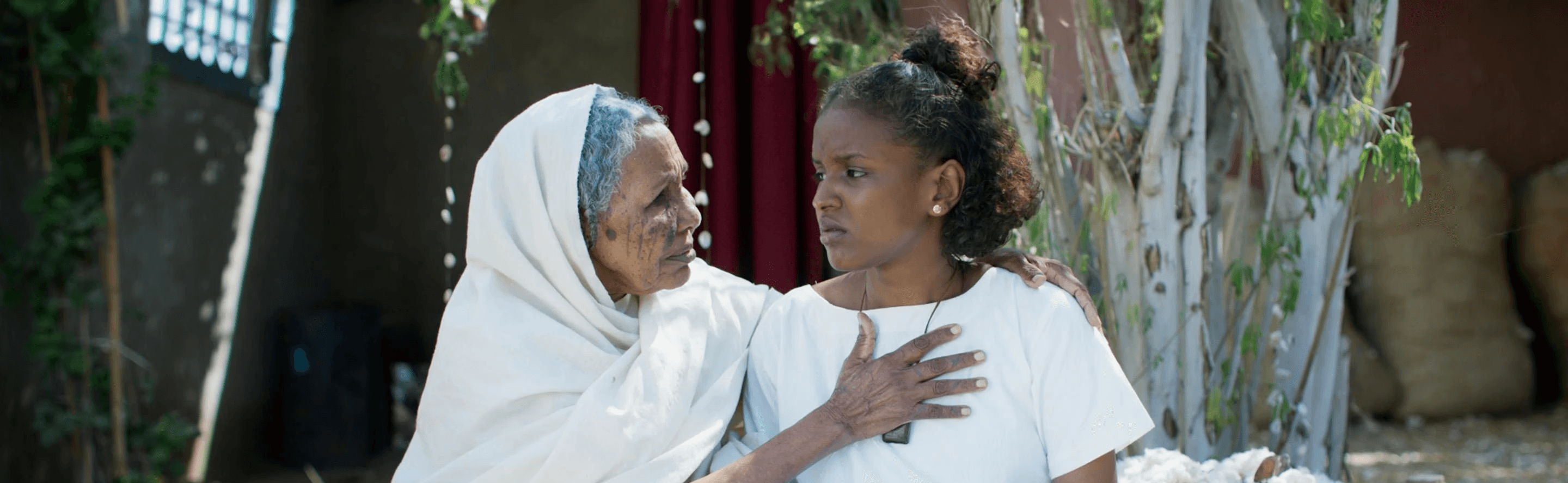
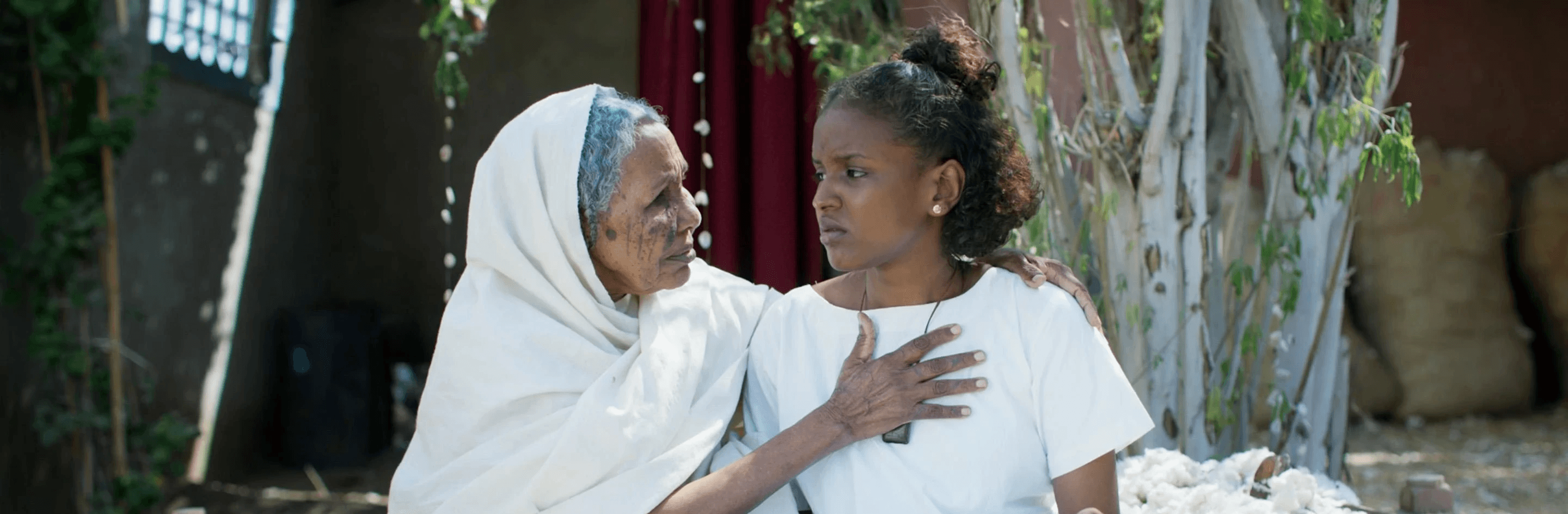
Suzannah Mirghani’s feature debut “Cotton Queen” plants a tender coming-of-age story in the soil of a Sudanese village’s fragile independence.
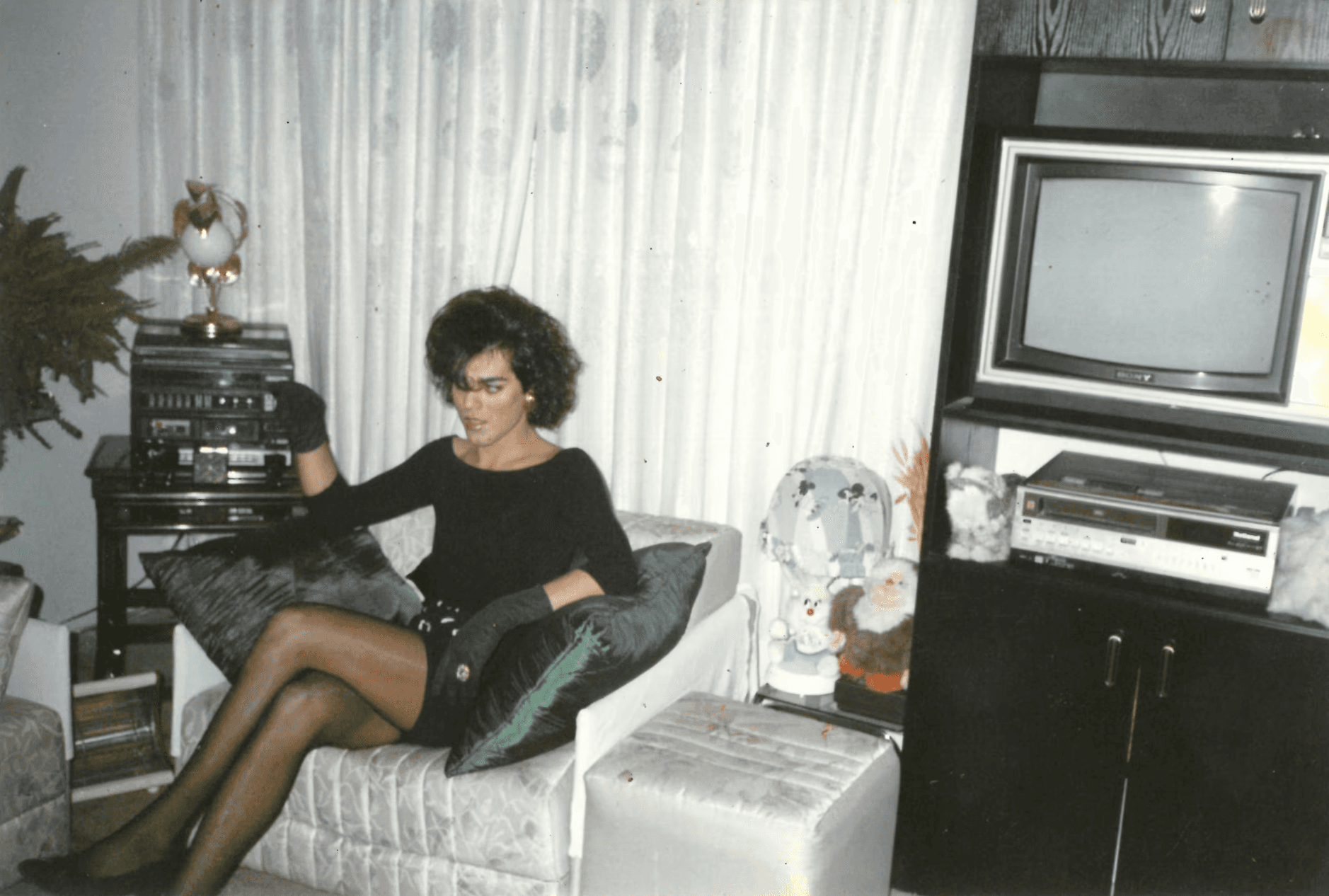
Treat Me Like Your Mother: Memories of Past, Present and Future.
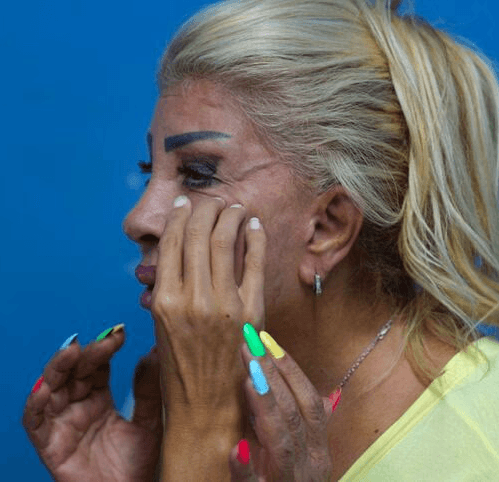
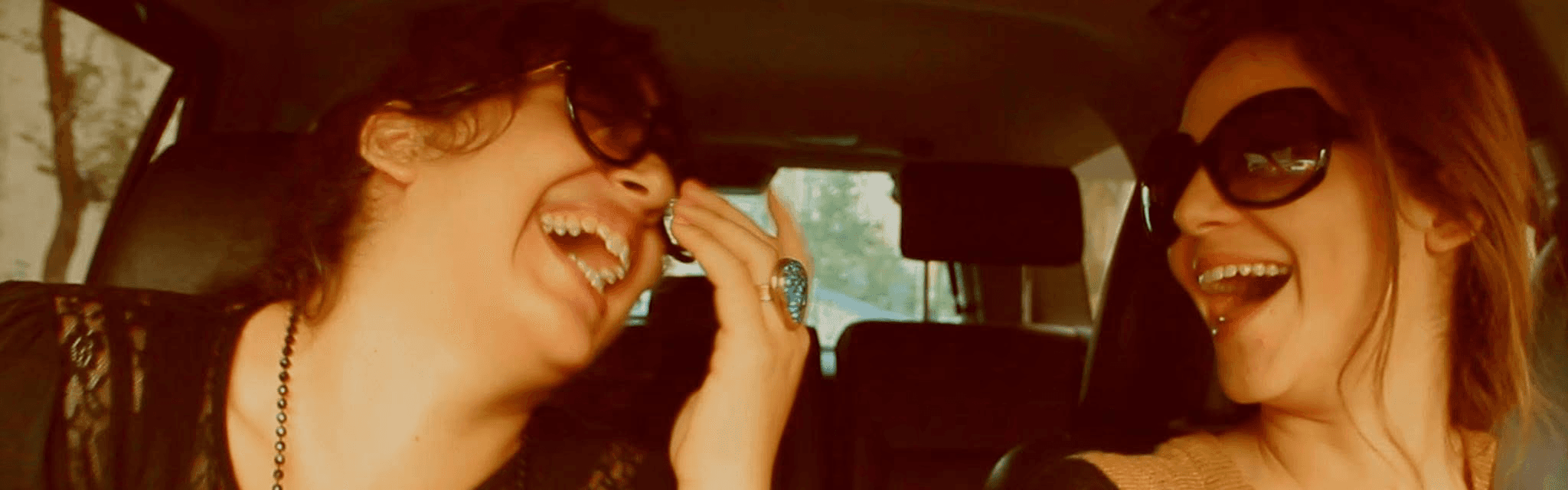
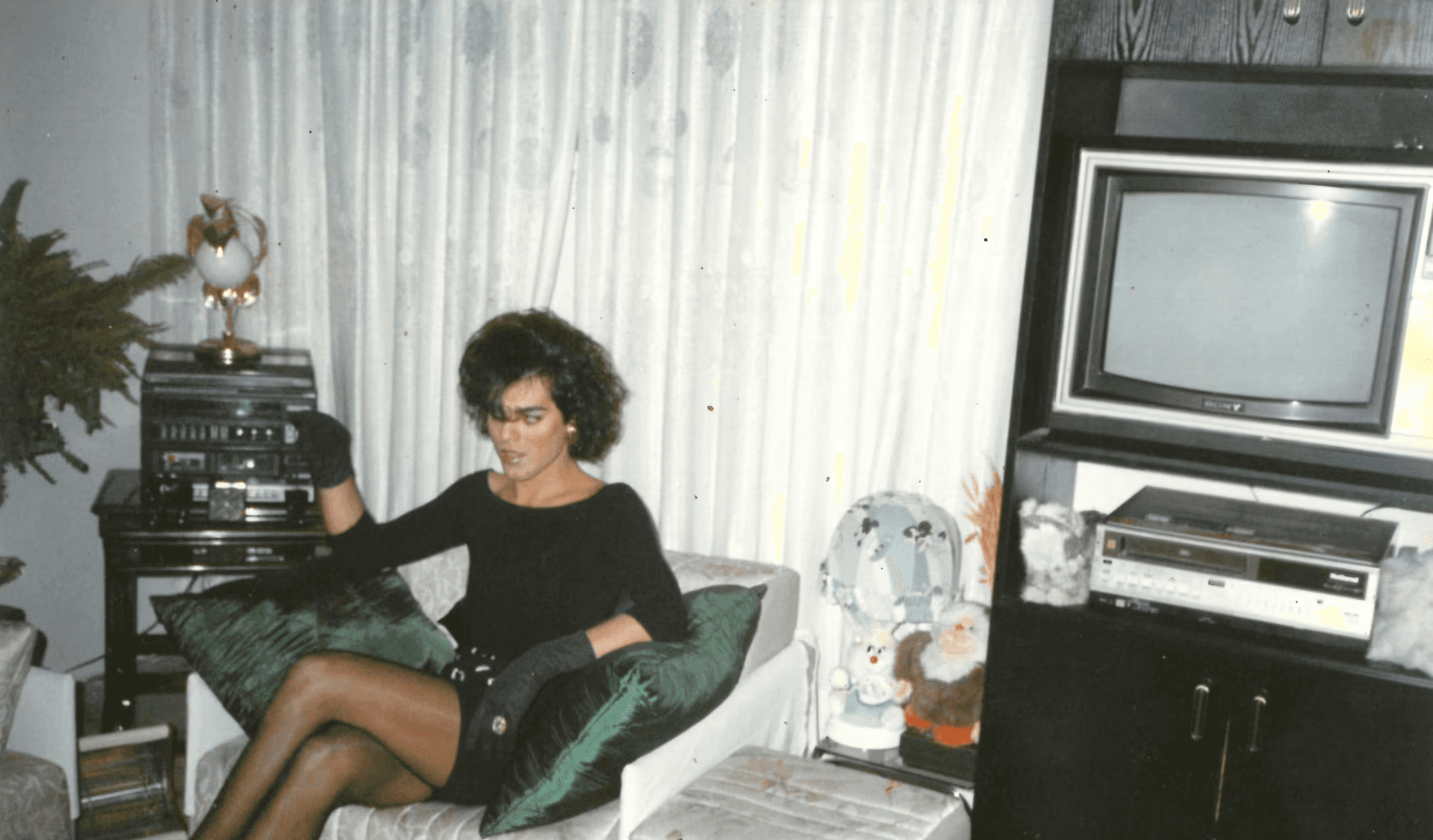
The film challenges simplified understandings of Queer History in Lebanon by showing that memory is shaped by contradiction: violence and belonging, rejection and intimacy, survival and nostalgia.
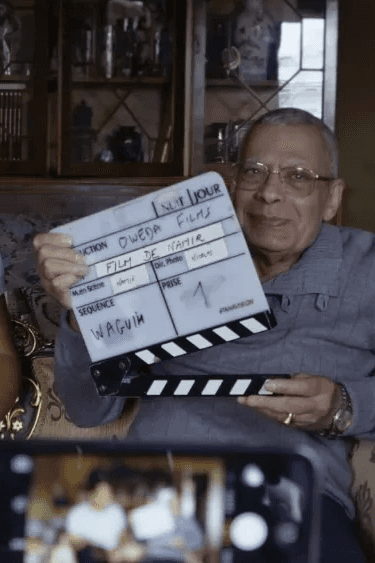
life after siham: Love, Loss, and the Camera’s Gaze
By shifting temporalities and incorporating both filmic references and footage shot across different eras, the film creates a feeling of nostalgia and prompts us to think about practices such as remembering, reminiscing, and the retelling of stories.
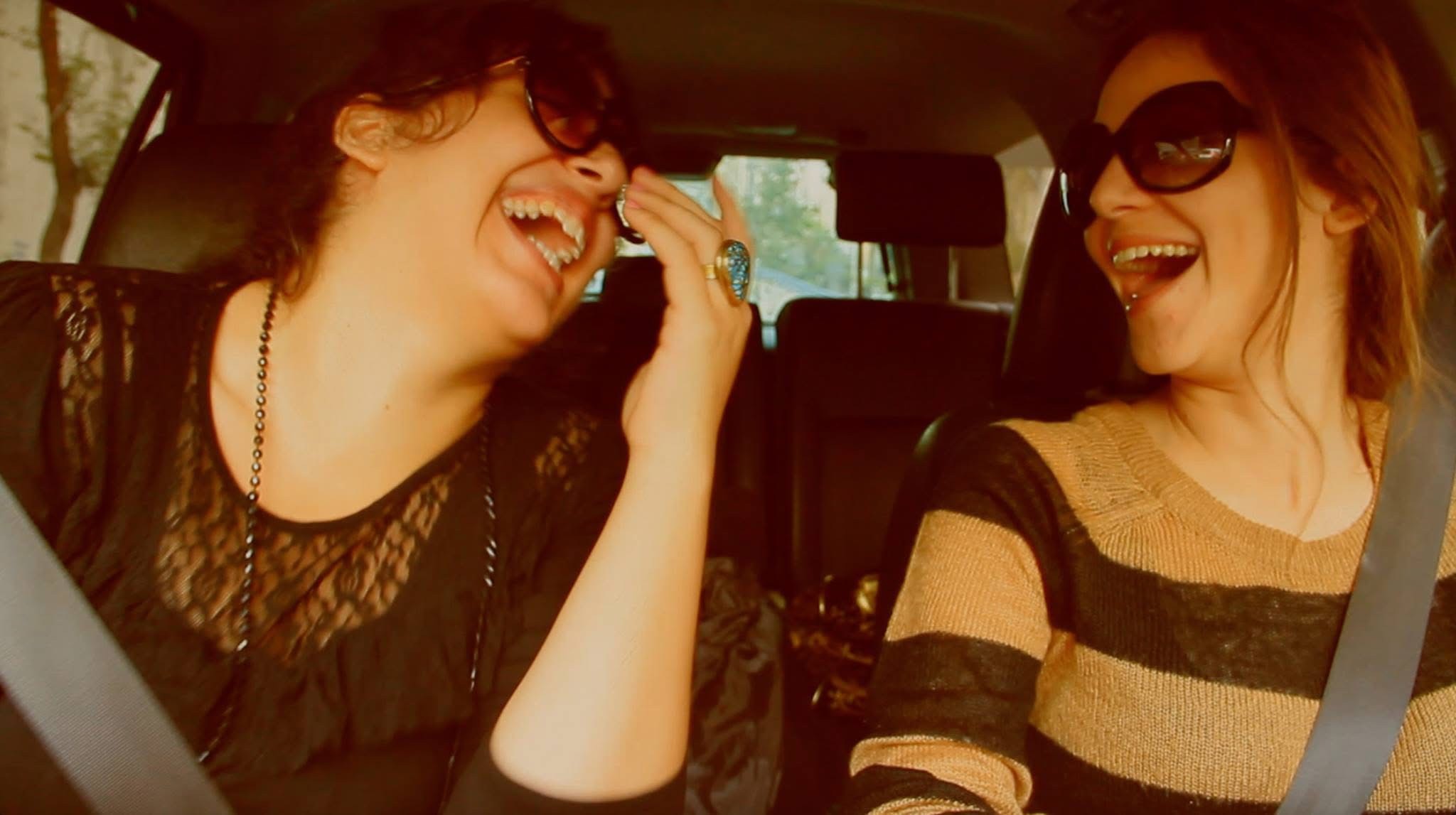
The Ugly Side of the Industry:
A Filmmaker’s Diary
I could have done what people expect women to do after heartbreak: eat a bucket of ice cream, disappear into bed, watch reruns of Friends until the pain softened into numbness. Instead, I did something else.
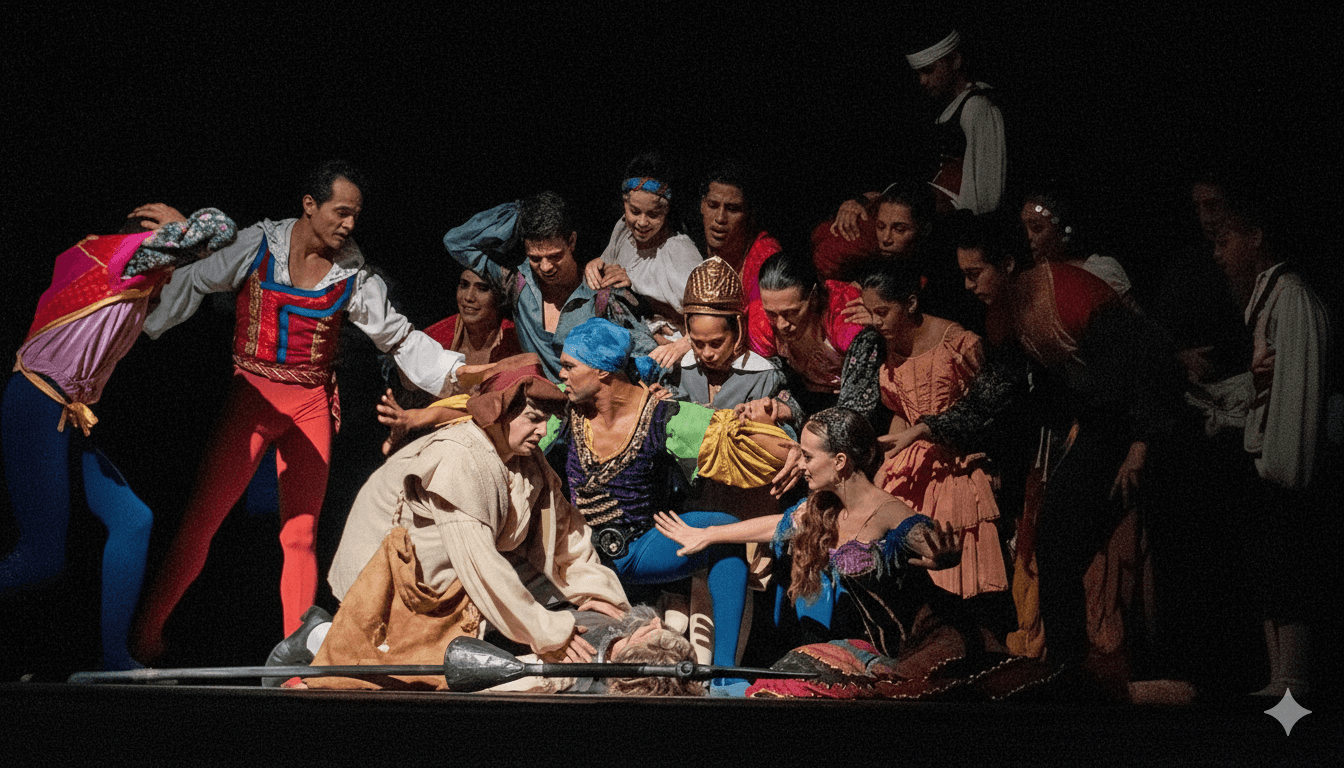
Locked Out: How the German and European Film Industry Keeps SWANA Voices on the Margins
You are told diversity matters. But the system is designed to filter you out. Even when productions need Arabic or Persian for authenticity, roles often go to German actors who have learned the language — because they are already represented, already connected, already trusted.
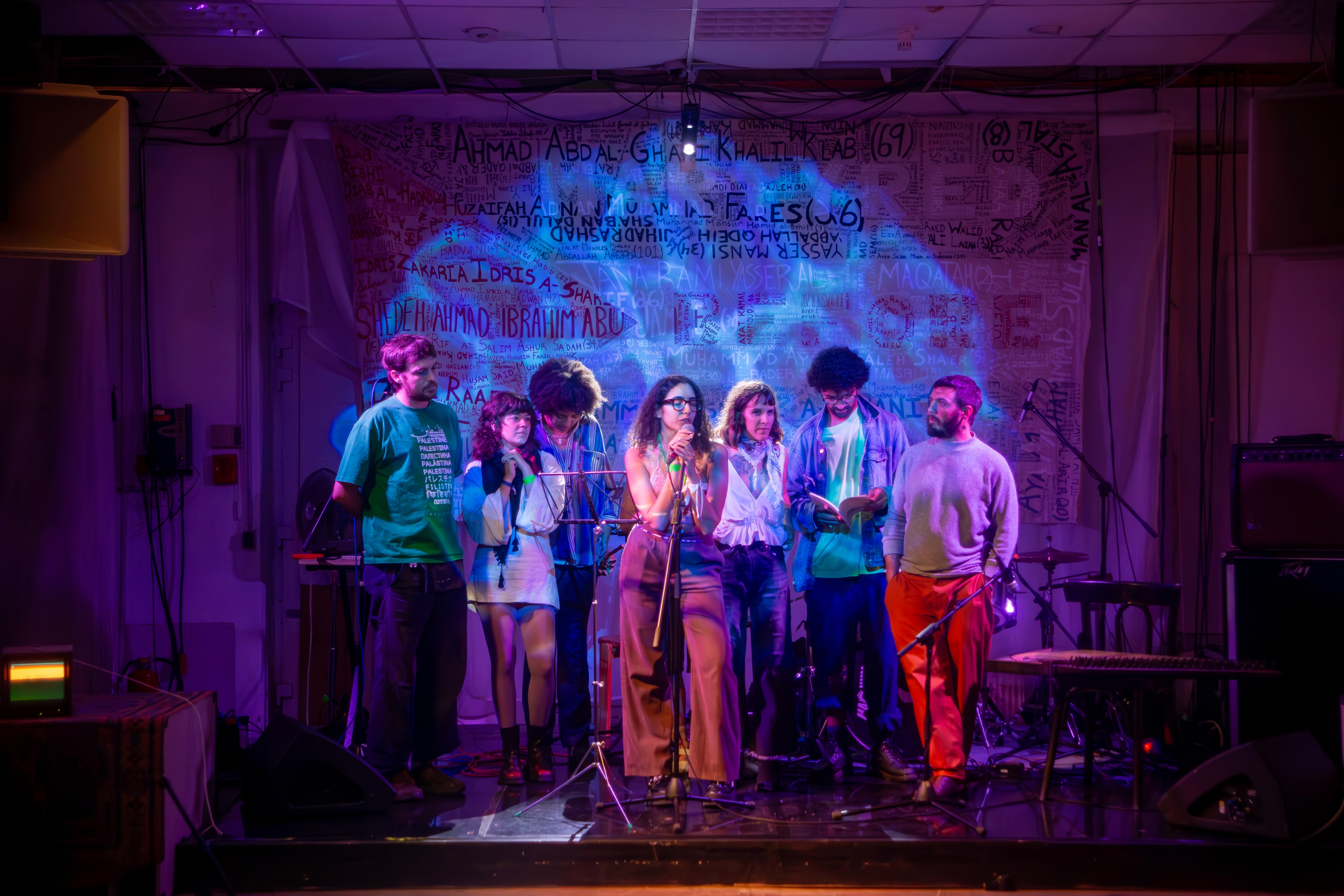
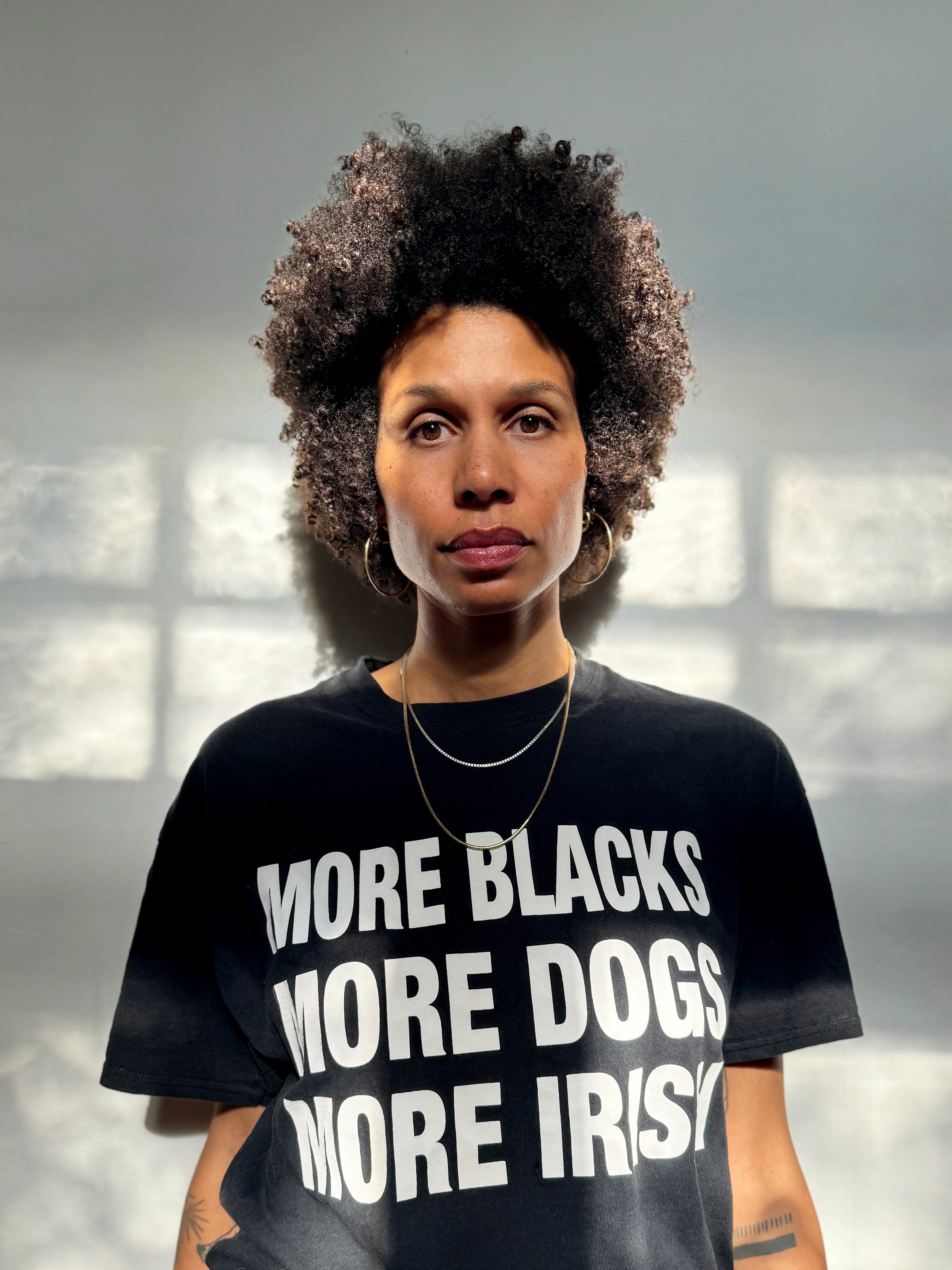
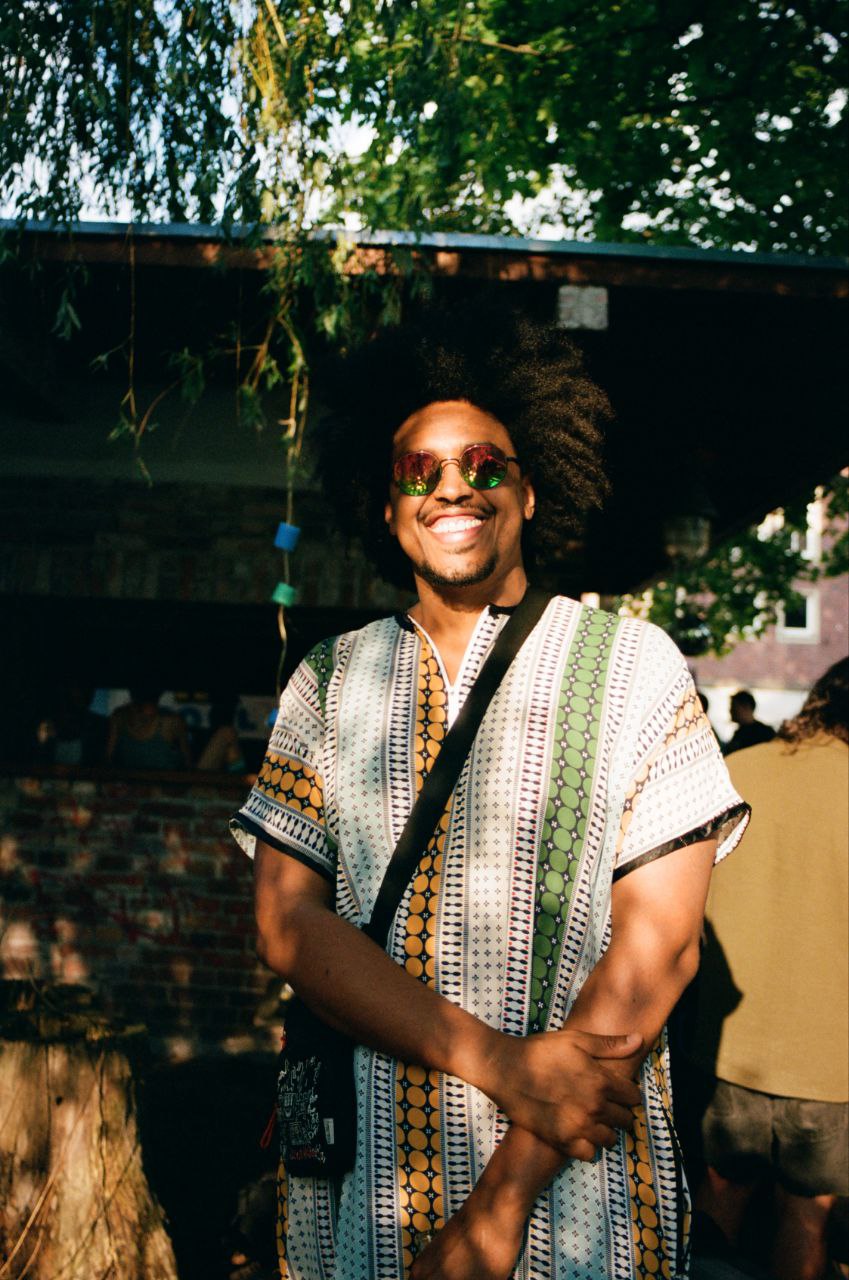
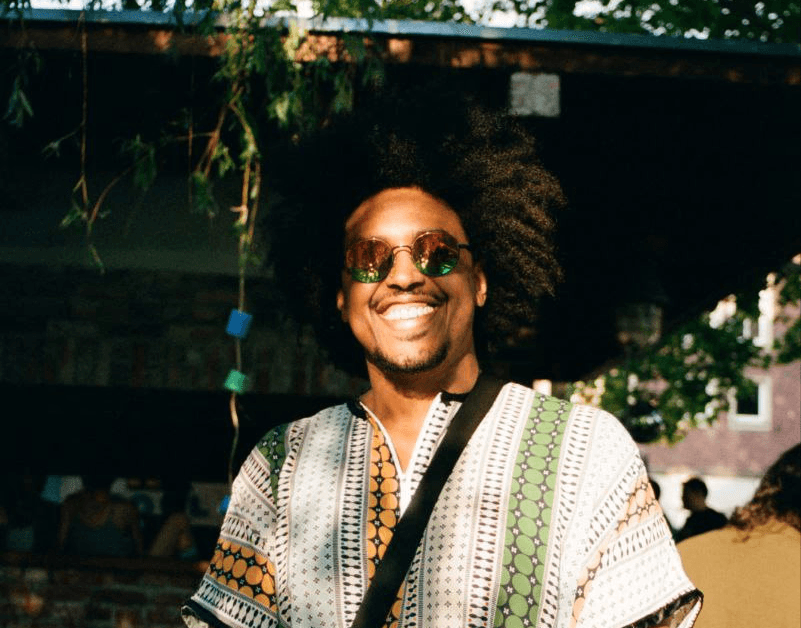
From Backyard Raves to Global Activism: Mo El-Amin’s DIY Blueprint on Finding Meaning in Shared Spaces
"We’ve basically built a “fundraiser economy” where collectives, communities, and friends run solidarity events, scrape together resources, and still make meaningful change"

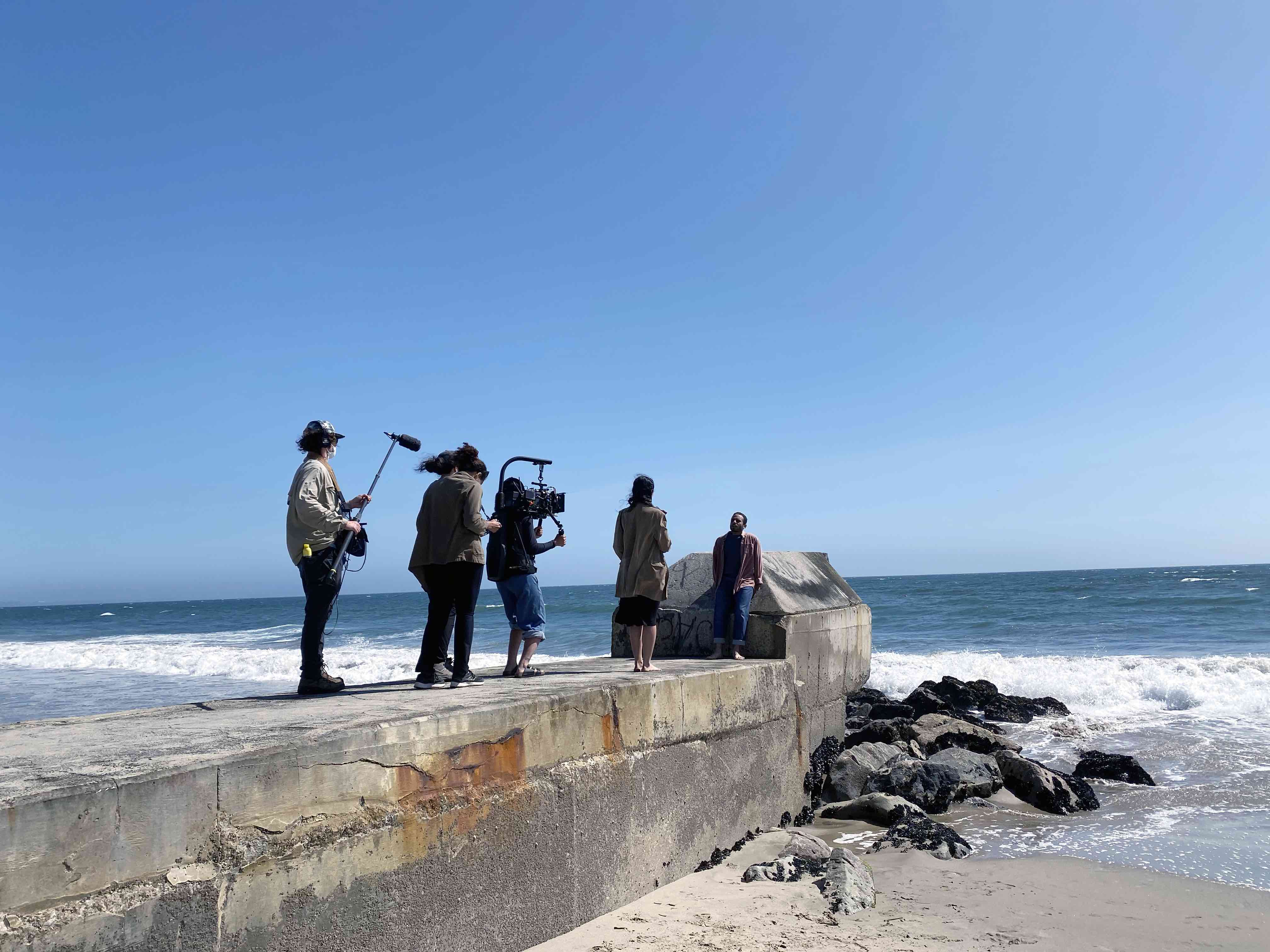






Against All Odds and Algorithms:
a love letter to independent cinema
From Backyard Raves to Global Activism: Mo El-Amin’s DIY Blueprint on Finding Meaning in Shared Spaces
This is my love letter to cinema—and more specifically, independent cinema. I love it because it stubbornly refuses to treat a film like a product on a shelf or a line on a financial spreadsheet. It treats film as an unfiltered human pulse. It's the raw, honest, and beautifully messy truth of our lives up on the screen, and as long as I am curating, programming, and breathing, I never want to stop looking for it.
"We’ve basically built a “fundraiser economy” where collectives, communities, and friends run solidarity events, scrape together resources, and still make meaningful change"

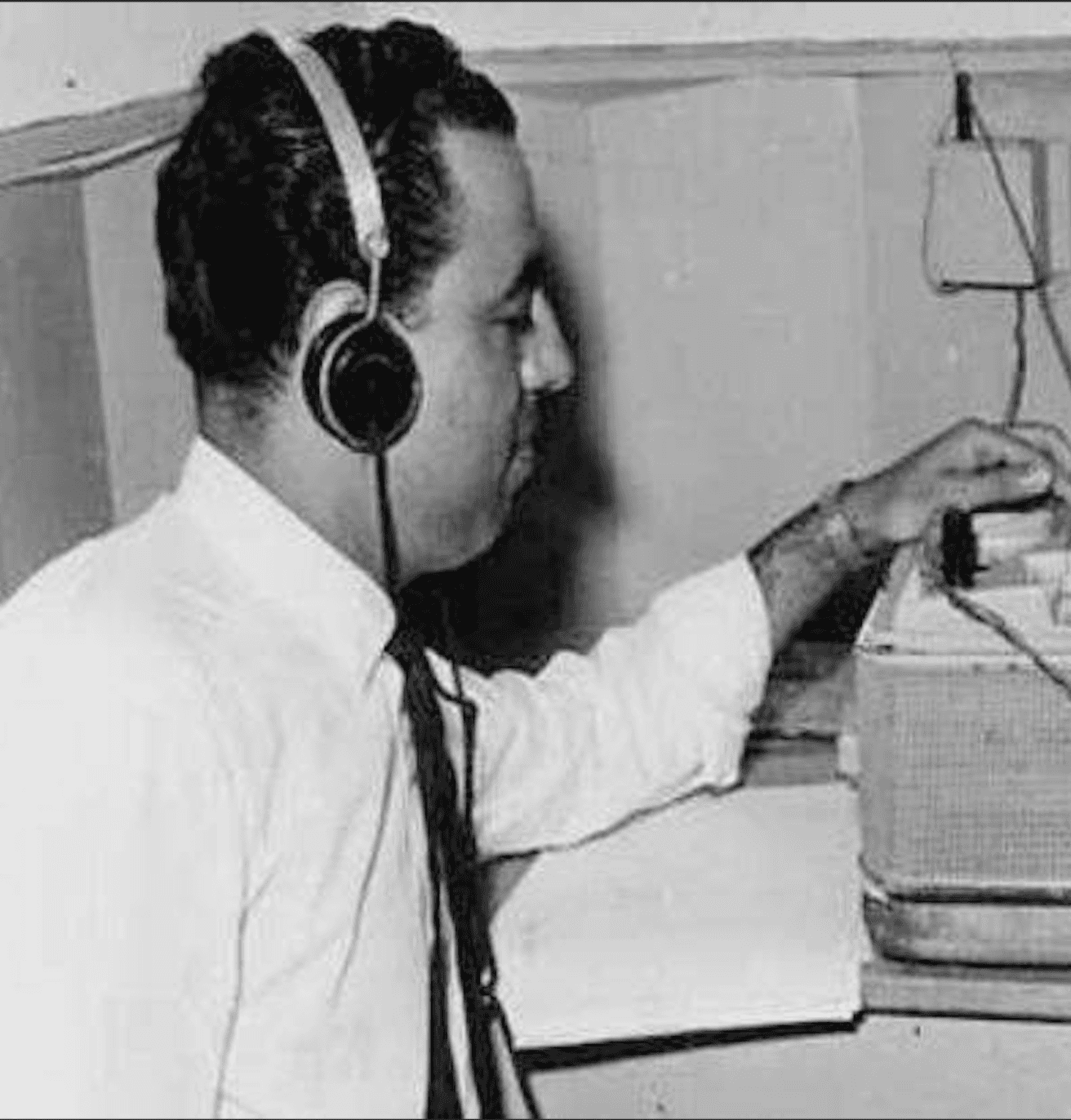
all that is left of you: A Film About Humanity as a Means of Survival
all that is left of you: A Film About Humanity as a Means of Survival
“I am the sea, in whose depths pearls lie hidden—
Did they ever ask the diver about my shells?”
— Hafez Ibrahim
“I am the sea, in whose depths pearls lie hidden—
Did they ever ask the diver about my shells?”
— Hafez Ibrahim
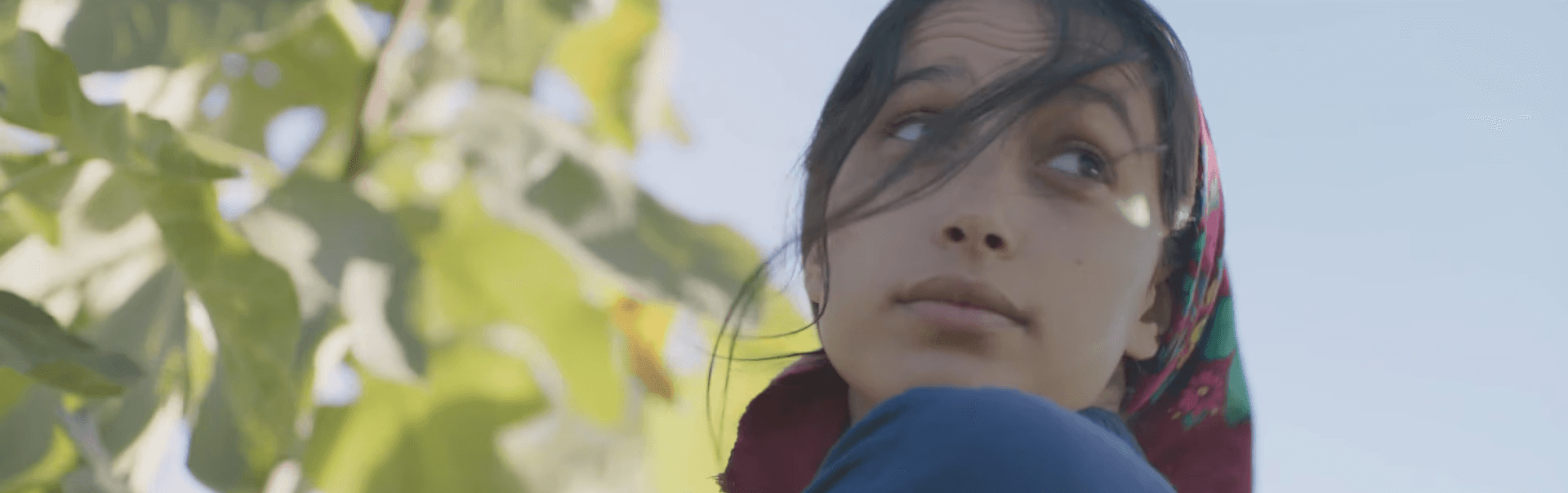
Magnetic Pursuit of Feeling: A conversation with cinematographer Frida Marzouk
Magnetic Pursuit of Feeling:
A conversation with cinematographer Frida Marzouk
"I realize that the movies I’ve done are usually about a cause, an issue, racism, or a conflict but somehow, it’s not on purpose. Of course, if I can help, I want to help, but it’s more [that I am drawn to that project] because the person that’s telling it has it as a personal story."
"I realize that the movies I’ve done are usually about a cause, an issue, racism, or a conflict but somehow, it’s not on purpose. Of course, if I can help, I want to help, but it’s more [that I am drawn to that project] because the person that’s telling it has it as a personal story."

Exile Cinema: Recovering the Homeland or Reinventing It?
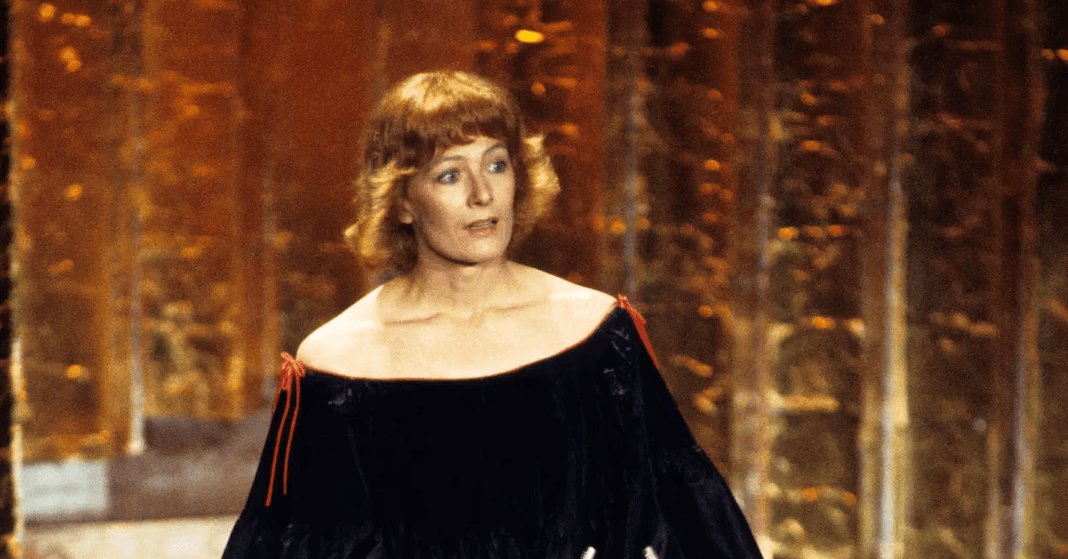
The Speech That Shook Hollywood: Vanessa Redgrave and the 1978 Oscar Scandal
Homeland, when seen from within, differs radically from the homeland reconstructed from the outside and even more so when it is lost, destroyed, or deferred in memory.
The reality is, there exists, within US-American public discourse, a relatively narrow and informal but strongly enforced boundary defining what counts as legitimate speech. Once you cross it, you will stop being treated as someone pointing out a problem and will instead be treated as the root of the problem itself.


Exile Cinema: Recovering the Homeland or Reinventing It?
Are We Also Olive Trees in Exile? A Conversation with Filmmaker Abdallah Dannaoui
Against All Odds and Algorithms: a love letter to independent cinema
Homeland, when seen from within, differs radically from the homeland reconstructed from the outside and even more so when it is lost, destroyed, or deferred in memory.
How do you capture the grief of exile when news cameras only focus on war? In Bitter Greens, Tangled Roots, director Abdallah Dannaoui uses intimate WhatsApp calls and quiet landscapes to explore memory, displacement, and what it means to stay rooted far from home.
This is my love letter to cinema—and more specifically, independent cinema. I love it because it stubbornly refuses to treat a film like a product on a shelf or a line on a financial spreadsheet. It treats film as an unfiltered human pulse. It's the raw, honest, and beautifully messy truth of our lives up on the screen, and as long as I am curating, programming, and breathing, I never want to stop looking for it.
Against All Odds and Algorithms: a love letter to independent cinema
Are We Also Olive Trees in Exile? A Conversation with Filmmaker Abdallah Dannaoui
This is my love letter to cinema—and more specifically, independent cinema. I love it because it stubbornly refuses to treat a film like a product on a shelf or a line on a financial spreadsheet. It treats film as an unfiltered human pulse. It's the raw, honest, and beautifully messy truth of our lives up on the screen, and as long as I am curating, programming, and breathing, I never want to stop looking for it.
How do you capture the grief of exile when news cameras only focus on war? In Bitter Greens, Tangled Roots, director Abdallah Dannaoui uses intimate WhatsApp calls and quiet landscapes to explore memory, displacement, and what it means to stay rooted far from home.
The Speech That Shook Hollywood:
Vanessa Redgrave and the 1978 Oscar Scandal
This is my love letter to cinema—and more specifically, independent cinema. I love it because it stubbornly refuses to treat a film like a product on a shelf or a line on a financial spreadsheet. It treats film as an unfiltered human pulse. It's the raw, honest, and beautifully messy truth of our lives up on the screen, and as long as I am curating, programming, and breathing, I never want to stop looking for it.
life after siham: Love, Loss, and the Camera’s Gaze
Exile Cinema: Recovering the Homeland or Reinventing It?
Homeland, when seen from within, differs radically from the homeland reconstructed from the outside and even more so when it is lost, destroyed, or deferred in memory.
Treat Me Like Your Mother: Memories of Past, Present and Future.
life after siham: Love, Loss, and the Camera’s Gaze
The film challenges simplified understandings of Queer History in Lebanon by showing that memory is shaped by contradiction: violence and belonging, rejection and intimacy, survival and nostalgia.
The Ugly Side of the Industry:
A Filmmaker’s Diary
Treat Me Like Your Mother: Memories of Past, Present and Future.
I could have done what people expect women to do after heartbreak: eat a bucket of ice cream, disappear into bed, watch reruns of Friends until the pain softened into numbness. Instead, I did something else.
The film challenges simplified understandings of Queer History in Lebanon by showing that memory is shaped by contradiction: violence and belonging, rejection and intimacy, survival and nostalgia.
Locked Out: How the German and European Film Industry Keeps SWANA Voices on the Margins
Locked Out: How the German and European Film Industry Keeps SWANA Voices on the Margins
You are told diversity matters. But the system is designed to filter you out. Even when productions need Arabic or Persian for authenticity, roles often go to German actors who have learned the language — because they are already represented, already connected, already trusted.
You are told diversity matters. But the system is designed to filter you out. Even when productions need Arabic or Persian for authenticity, roles often go to German actors who have learned the language — because they are already represented, already connected, already trusted.
cotton queen: The Past Is A Story We Tell Ourselves
Suzannah Mirghani’s feature debut “Cotton Queen” plants a tender
coming-of-age story in the soil of a Sudanese village’s fragile independence.
Suzannah Mirghani’s feature debut “Cotton Queen” plants a tender coming-of-age story in the soil of a Sudanese village’s fragile independence.

The Unity of Opposites: Grief and Celebration at ALFILM’s Opening
The Unity of Opposites: Grief and Celebration at ALFILM’s Opening
A Look Inside the 17th ALFILM Festival Opening Ceremony
A Look Inside the 17th ALFILM Festival Opening Ceremony
From Backyard Raves to Global Activism: Mo El-Amin’s DIY Blueprint on Finding Meaning in Shared Spaces
The Ugly Side of the Industry:
A Filmmaker’s Diary
"We’ve basically built a “fundraiser economy” where collectives, communities, and friends run solidarity events, scrape together resources, and still make meaningful change"
"We’ve basically built a “fundraiser economy” where collectives, communities, and friends run solidarity events, scrape together resources, and still make meaningful change"
I could have done what people expect women to do after heartbreak: eat a bucket of ice cream, disappear into bed, watch reruns of Friends until the pain softened into numbness. Instead, I did something else.